Ingredient 4 of 9
Lutein in NervoMax: An Eye Nutrient in a Nerve Blend
Lutein is a yellow plant pigment best known for eye health. NervoMax lists it fourth, as Lutein (5%), with no amount. The large AREDS2 eye trial used 10 mg a day (NEI, AREDS2). In 3,501 people over 5 years, that dose had no effect on thinking or memory (AREDS2 cognition, 2015). No study links lutein to nerve function, and the label does not explain why it is included.
Written by the NervoMax editorial teamUpdated
The basics
What is lutein?
Lutein is a carotenoid, a yellow-orange pigment made by plants. Supplements usually take it from marigold flowers. Your diet also supplies it through leafy greens such as spinach and kale. In the eye, lutein gathers in the macula, the part of the retina used for sharp central vision.
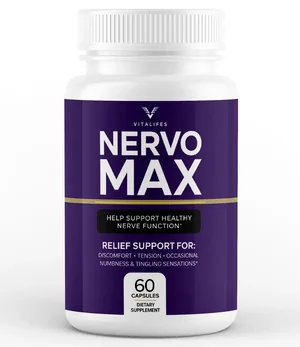
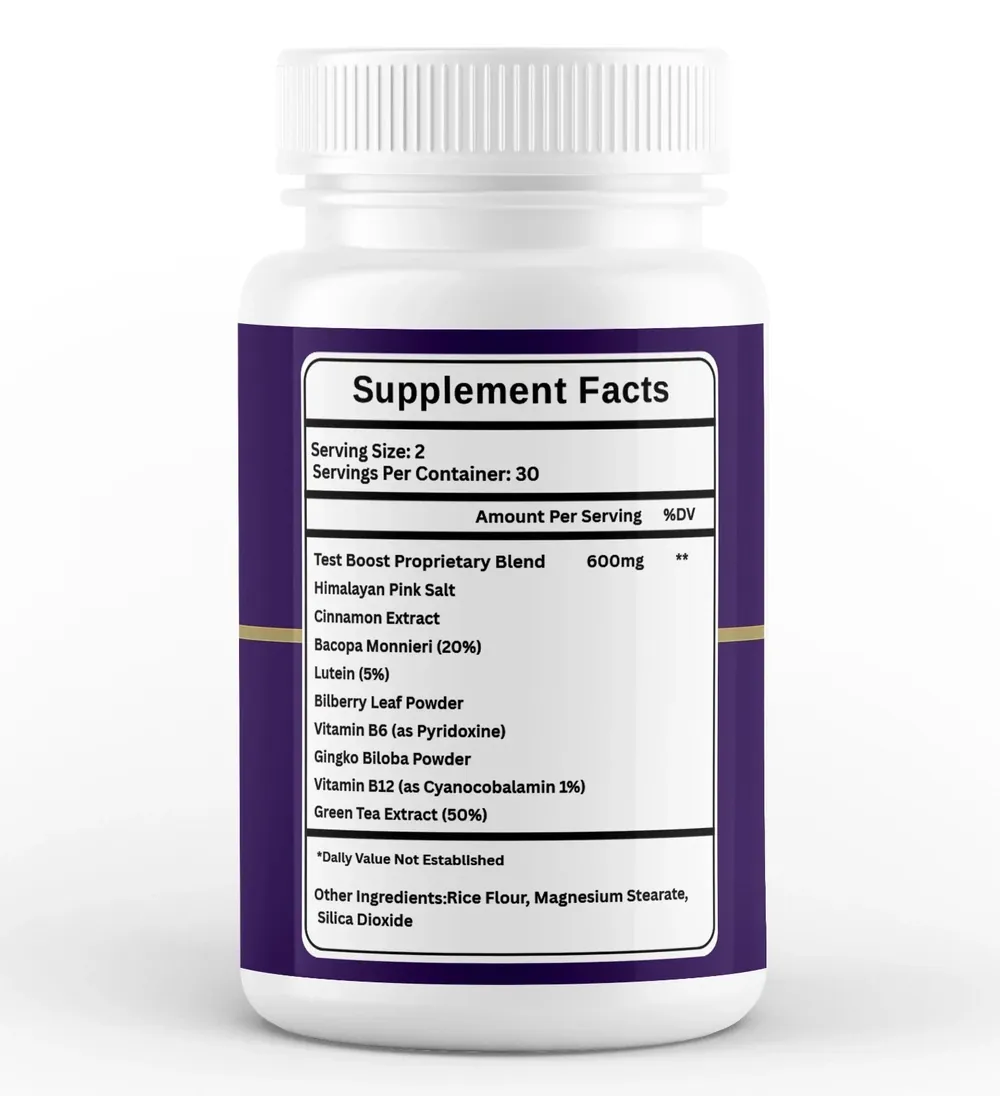
NervoMax lists "Lutein (5%)" fourth in its 600 mg blend.
| Label name | Lutein (5%) |
|---|---|
| What it is | Carotenoid from marigold flowers · Plant pigment |
| Position on the label | 4 of 9 (labels list blend ingredients from most to least by weight) |
| Amount on the label | Undisclosed share of the 600 mg blend |
| What research has used | 10 mg a day in the AREDS2 eye trial |
| Strength of evidence | None for nerves; no cognition effect in AREDS2 |
| What it is sold for | Known for eye health |
| Main caution | Generally well tolerated at food-like doses. |
Reading the label
How much lutein is in NervoMax?
The label does not print it. We can only set a ceiling. Lutein is fourth of nine, listed by weight (21 CFR 101.36), so it can be no more than one-quarter of the blend. That is 150 mg of the lutein ingredient per 2 capsules.
The "(5%)" adds a wrinkle. On many labels it means a marigold extract that is 5 percent lutein. The NervoMax label does not say so. If that reading is right, the math looks like this:
| Scenario | Lutein ingredient | Pure lutein at 5% | vs AREDS2 10 mg |
|---|---|---|---|
| Label ceiling, 2 capsules | 150 mg | 7.5 mg | Below |
| Even split, 2 capsules | About 67 mg | About 3.3 mg | About one-third |
| Even split, 1 capsule | About 33 mg | About 1.7 mg | Well below |
| Real amount | Not published | Not published | Unknown |
Under that reading, even the best case falls short of the eye trial dose. Ask the maker what the 5% refers to if the number matters to you.
Eye research
What did the AREDS2 eye study find about lutein?
AREDS2 was a large National Eye Institute trial for people with age-related macular degeneration. Its formula uses 10 mg of lutein with 2 mg of zeaxanthin a day (NEI, AREDS2). That formula is meant for a specific eye disease, chosen by an eye doctor.
- The AREDS2 formula is for macular degeneration, not general nerve health.
- Lutein came paired with zeaxanthin; NervoMax lists no zeaxanthin.
- The trial tested a fixed, known dose. NervoMax prints none.
If you have macular degeneration, a nerve blend is not a stand-in for the AREDS2 formula your eye doctor may suggest.
Memory research
Does lutein improve memory or thinking?
Not in the best trial so far. Researchers tested thinking skills in 3,501 AREDS2 volunteers over 5 years (AREDS2 cognition, 2015). Lutein plus zeaxanthin had no effect on cognitive function compared with placebo.
This matters because NervoMax brand art claims to "improve mental functioning: memory, intelligence, energy." Lutein is the one ingredient with a large, long trial on exactly that question, and the answer was no. Federal health experts reach similar views on supplements for cognition overall (NCCIH, Cognition digest).
A null trial at 10 mg does not mean lutein is useless. It is still a real nutrient for the eye. It just did not change memory or thinking scores.
Evidence ladder
How strong is the evidence behind NervoMax claims?
Lutein does not appear on this ladder because no nerve study of it exists. The ladder shows what evidence there is for the blend's nerve claim, strongest first.
- B12 if lowB12 deficiency causes numbness
Fixing a real deficiency helps. Most people are not deficient. (NIH ODS, Vitamin B12)
- B vitaminsCochrane review: 13 trials
Evidence is insufficient to say B vitamins help nerve pain or tingling. (Cochrane, B vitamins)
- Bacopa9 memory trials
Small gains in attention speed after 12 weeks. Memory, not nerves. (Kongkeaw et al., 2014)
- GinkgoWalking pain trials
No meaningful benefit for leg circulation pain. (Cochrane, Ginkgo 2013)
- NervoMaxNo study of the product
No trial of NervoMax for numbness, tingling or nerve health. (FTC, Health claims)
Bar length shows how directly each line of evidence answers the question: will this blend help my nerves? It is our editorial summary of the linked sources, not a score from any study.
Nerve claims
Does lutein help nerve tingling or numbness?
No study shows that lutein helps nerve function, numbness or tingling. Its research is about the eye and, in AREDS2, thinking skills. The retina is nerve tissue, but that does not carry over to the nerves in your hands and feet.
Take a 45-year-old who already takes an eye vitamin with lutein. Adding NervoMax gives a small, unknown amount more. It does not add a nerve benefit, because none has been shown.
FDA does not approve supplements before they are sold (FDA, Using supplements). The FTC expects health claims to rest on competent and reliable science (FTC, Health claims). For lutein and nerves, that science is missing.
Formula
Why is lutein in a nerve supplement?
The label does not explain it. The maker has published no formula notes that we could find. Two observations, not answers:
It pairs with bilberry
The next ingredient, bilberry leaf, is also traditionally sold for the eyes. Two eye ingredients in a row suggests an eye theme the label never names.
It fits the brain art
The brand art talks about memory and mental function. Lutein has been studied for that, though the main trial found no effect.
Bottom line
Is lutein a plus or a minus in NervoMax?
It is mostly neutral. Lutein is generally well tolerated at food-like doses, but it does nothing proven for the product's main claim.
In its favor
- A real nutrient with solid eye research
- Generally well tolerated
- Large, long human trials exist
Against it
- No nerve evidence at all
- No memory effect in AREDS2
- Likely below the 10 mg eye dose
- Meaning of 5% not stated
To see where lutein sits among all nine, open the NervoMax ingredients overview or the Supplement Facts guide.
Keep exploring
Which ingredients sit next to lutein?
Before lutein comes bacopa monnieri, the memory herb. After it comes bilberry leaf powder, then vitamin B6, the ingredient with the most important safety question.
FAQ
Lutein in NervoMax: FAQ
How much lutein is in NervoMax?
NervoMax does not print its lutein amount. Lutein is fourth in the 600 mg blend, so the lutein ingredient is at most 150 mg per 2 capsules. If the 5% means a 5% lutein extract, that is 7.5 mg at most, below the 10 mg AREDS2 dose.
What does lutein 5% mean on a label?
Lutein 5% usually means a marigold extract standardized to contain 5% lutein by weight. The NervoMax label does not spell this out, so the pure lutein amount cannot be confirmed. Ask the maker through the order desk at +1 (302) 200-3480.
Is lutein good for nerves?
No study shows that lutein is good for the nerves in your hands or feet. Lutein research covers eye health and, in AREDS2, thinking skills, where it had no effect (AREDS2 cognition, 2015). Numbness and tingling need a medical cause found.
Does lutein help memory?
In the largest trial, lutein did not help memory. AREDS2 tested 3,501 people for 5 years, and 10 mg of lutein with zeaxanthin had no effect on cognitive function (AREDS2 cognition, 2015). It ran five years in thousands of people.
What is the AREDS2 dose of lutein?
The AREDS2 formula uses 10 mg of lutein and 2 mg of zeaxanthin a day (NEI, AREDS2). It is meant for people with age-related macular degeneration. NervoMax contains no zeaxanthin on its label and prints no lutein amount.
Can I take NervoMax with my eye vitamin?
Most people can, but check with your eye doctor first. Lutein is generally well tolerated, and NervoMax likely adds only a small amount. Bring both bottles so your doctor can see every ingredient, including the vitamin B6.
Is lutein safe to take every day?
Lutein is generally well tolerated at food-like doses, and AREDS2 participants took 10 mg daily for years (NEI, AREDS2). The bigger safety questions in NervoMax involve other ingredients, especially vitamin B6, whose amount the label does not print.
Who wrote this
Written and reviewed by
Plain-language pages built from the bottle label and linked public health sources such as NIH, FDA and Cochrane.
Last updated . Read our editorial standards and how we check reviews. This website is run by Nervomax, a USA authorized NervoMax retailer, not by the manufacturer. We earn money when you buy through our order links.
Keep reading
More about NervoMax
Bilberry leaf
NervoMax uses bilberry leaf, not the studied fruit. What that means for evidence and safety.
Read moreSupplement Facts
The NervoMax label read line by line, from the 600 mg blend to the vitamins printed without amounts.
Read more
Who it's for
A five-question check, plus the people who should skip NervoMax or ask a doctor first.
Read moreUSA Authorized NervoMax Retailer
Ready to try NervoMax?
Pick a pack, read the label first, and keep your order email. The order page shows the final price before you pay.
- Secure checkout
- Order desk can see your order
- Tracking in the order email