Ingredient 5 of 9
Bilberry Leaf Powder in NervoMax: Leaf vs Fruit and What the Evidence Says
NervoMax lists bilberry leaf powder fifth in its 600 mg blend, with no amount. Most bilberry research uses fruit extracts, not leaves. NCCIH says bilberry has not been clearly shown to help any condition, and the leaves may be unsafe in high doses or with long-term use (NCCIH, Bilberry). Bilberry is traditionally sold for eyes and circulation. No study links it to nerve health.
Written by the NervoMax editorial teamUpdated
The basics
What is bilberry?
Bilberry (Vaccinium myrtillus) is a low shrub related to the blueberry. Its small dark berries are eaten as food and made into extracts. Its leaves are dried and sold as powder or tea.
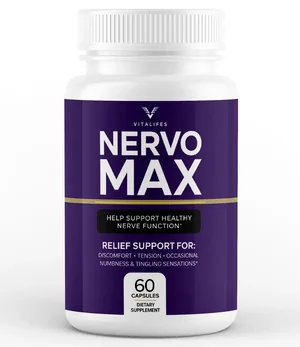
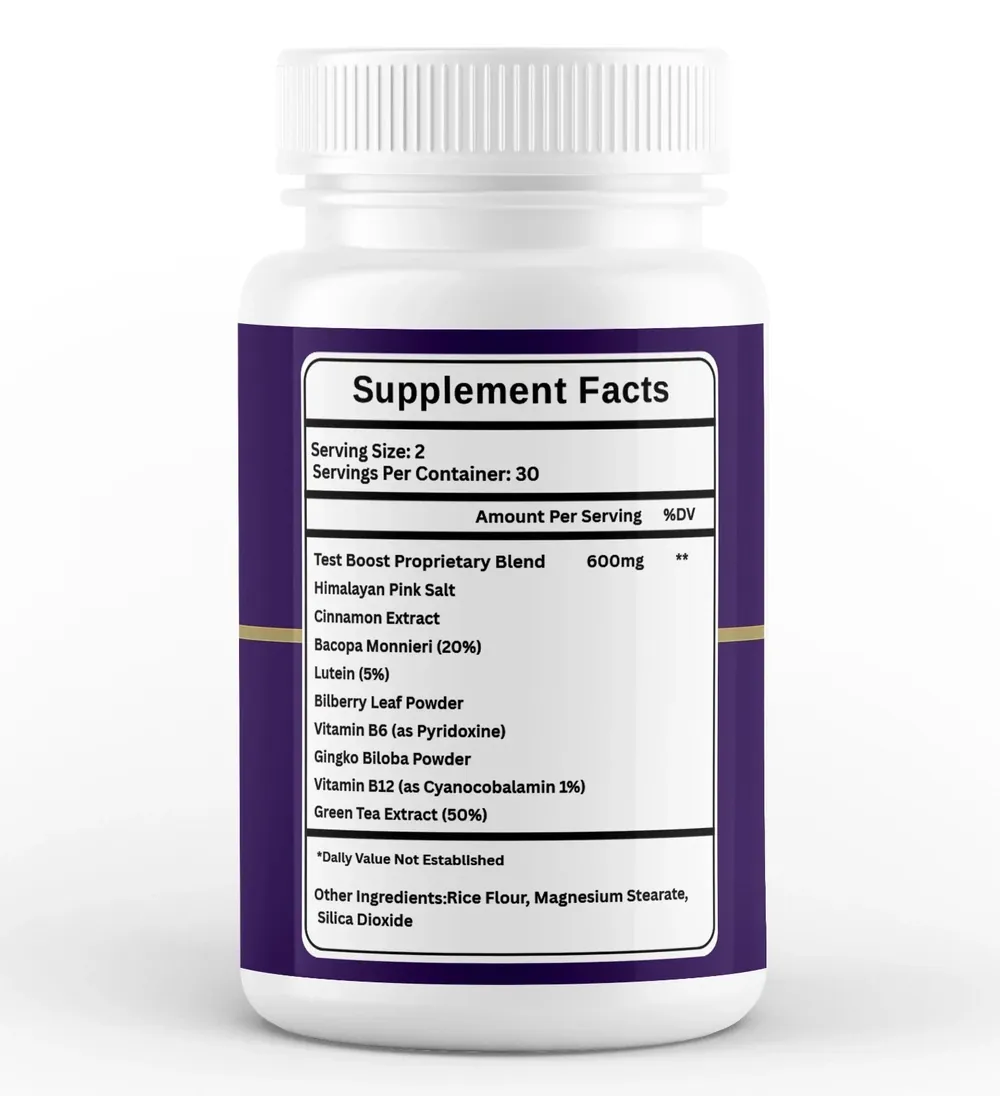
NervoMax uses the leaf. The label reads "Bilberry Leaf Powder," fifth in the 600 mg blend.
| Label name | Bilberry Leaf Powder |
|---|---|
| What it is | Vaccinium myrtillus (leaf) · Leaf powder |
| Position on the label | 5 of 9 (labels list blend ingredients from most to least by weight) |
| Amount on the label | Undisclosed share of the 600 mg blend |
| What research has used | Fruit extracts up to 160 mg a day for 6 months |
| Strength of evidence | Not shown helpful for any condition |
| What it is sold for | Traditionally used for eyes and circulation |
| Main caution | Leaves may be unsafe in high doses or with long-term use. |
Plant part
Bilberry leaf vs fruit: why does it matter?
The leaf and the fruit are different materials with different research and safety notes. Most bilberry studies used fruit extracts, at doses up to 160 mg a day for up to 6 months (NCCIH, Bilberry). NervoMax contains leaf powder, which has much less research.
| Point | Fruit extract | Leaf | NervoMax |
|---|---|---|---|
| Form | Concentrated extract | Dried powder or tea | Leaf powder |
| Studied doses | Up to 160 mg a day, up to 6 months | Little published | Not published |
| Safety note | Likely safe in food amounts | May be unsafe in high doses or long-term | Leaf, amount unknown |
| Clear benefit for any condition | Not shown | Not shown | No product study |
So the fruit studies, thin as they are, do not describe what is in NervoMax.
The math
How much bilberry leaf is in NervoMax?
The amount is not printed. Bilberry leaf is fifth of nine, listed by weight (21 CFR 101.36). Four ingredients come before it, each at least as heavy. So bilberry can be no more than one-fifth of the blend: 120 mg per 2 capsules.
- Label ceiling: 120 mg of leaf powder at 2 capsules.
- Even split of the nine: about 67 mg.
- At 1 capsule a day: half of either figure.
Powder is also not an extract. A gram of dried leaf holds less of any active compound than a gram of concentrated extract. That makes the fruit-extract doses even harder to compare.
Scale
How does the NervoMax blend compare with study doses?
The bars below put the whole 600 mg blend next to single-ingredient study doses. Bilberry extract studies alone used up to 160 mg, more than its 120 mg ceiling in NervoMax.
Vitamin B6 benchmarks come from the NIH fact sheet (NIH ODS, Vitamin B6) and Australia's TGA (TGA, B6 alert 2022). NervoMax does not print its B6 amount, so you cannot place it on the first chart. The second chart shows that three of the nine ingredients alone, at study doses, would need most of the whole blend.
Evidence
Does bilberry work for anything?
It has not been clearly shown to help any condition, according to the National Center for Complementary and Integrative Health (NCCIH, Bilberry). That covers the eye and circulation uses it is traditionally sold for.
We found no study of bilberry, leaf or fruit, for nerve function, numbness or tingling.
Traditional use
What is bilberry traditionally sold for?
Bilberry is mainly sold for eye health and circulation. Those uses come from tradition and marketing more than from strong trials (NCCIH, Bilberry).
Eyes and vision
The most common sales claim. Studies have not clearly shown a benefit.
Circulation
Often sold for veins and blood flow. Not clearly shown to help.
Nerves
No nerve research exists, and the NervoMax label does not explain the choice.
Bilberry follows lutein on the label, which is also an eye nutrient. Two eye ingredients side by side may reflect an eye theme, but the label never says so.
Safety
Is bilberry leaf safe?
Bilberry leaf may be unsafe in high doses or with long-term use (NCCIH, Bilberry). NCCIH draws that line between the leaf and the fruit, which is generally safe in food amounts.
At no more than 120 mg a serving, the leaf in NervoMax is a small amount. The trouble is the long-term part. Nerve supplements are often taken for months, and the safe length for leaf use has not been set.
If you plan to take NervoMax for months, tell your doctor it contains bilberry leaf. Ask again at each yearly checkup. Pregnant or nursing readers should consult a physician first, as the label says.
Picture a 62-year-old with type 2 diabetes who means to take NervoMax daily for a year. The leaf alone is a reason to plan check-ins with the doctor, not a reason to panic.
Bottom line
Is bilberry leaf worth having in NervoMax?
Bilberry leaf adds little that research supports, and it brings a long-term caution. FDA does not approve supplements before sale (FDA, Using supplements), and the FTC asks for competent and reliable evidence behind health claims (FTC, Health claims).
In its favor
- Small amount, at most 120 mg
- Plant part stated clearly as leaf
- A familiar food plant
Against it
- Leaf, not the more studied fruit
- Not clearly shown to help any condition
- Leaf caution for long-term use
- No nerve evidence
For a checklist to judge any product like this, see how to choose a nerve supplement.
Keep exploring
What comes after bilberry on the NervoMax label?
Next is vitamin B6, the ingredient with the biggest safety question: too much of it can cause numbness and tingling. See all nine on the ingredients overview.
FAQ
Bilberry in NervoMax: FAQ
Is NervoMax bilberry leaf or fruit?
NervoMax uses bilberry leaf, not fruit. The label lists Bilberry Leaf Powder fifth in the 600 mg blend. Most bilberry research tested fruit extracts (NCCIH, Bilberry), so those studies do not describe the material in NervoMax capsules.
How much bilberry is in NervoMax?
NervoMax does not print its bilberry amount. Bilberry leaf is fifth of nine in the 600 mg blend, so it can be at most 120 mg per 2 capsules. Split evenly, each ingredient would be about 67 mg.
Is bilberry leaf safe to take?
Bilberry leaf may be unsafe in high doses or with long-term use, according to NCCIH (NCCIH, Bilberry). NervoMax likely holds a small amount, but nerve supplements are often taken for months. Tell your doctor it contains bilberry leaf.
Does bilberry help eyesight?
Bilberry has not been clearly shown to help eyesight or any other condition (NCCIH, Bilberry). It is traditionally sold for the eyes, and most of that research used fruit extracts. If your vision changes, see an eye doctor rather than relying on bilberry.
Does bilberry help neuropathy or tingling?
No study shows bilberry helps neuropathy, numbness or tingling. Its research covers eyes and circulation, without clear results. Ongoing tingling in the feet or hands deserves a checkup for causes such as diabetes, low B12 or too much vitamin B6.
What is bilberry used for?
Bilberry is traditionally used for eye health and circulation. NCCIH says it has not been clearly shown to help any condition (NCCIH, Bilberry). The NervoMax label does not explain why bilberry leaf is in a nerve blend.
Who wrote this
Written and reviewed by
Plain-language pages built from the bottle label and linked public health sources such as NIH, FDA and Cochrane.
Last updated . Read our editorial standards and how we check reviews. This website is run by Nervomax, a USA authorized NervoMax retailer, not by the manufacturer. We earn money when you buy through our order links.
Keep reading
More about NervoMax
Lutein
Lutein is an eye nutrient. What the AREDS2 trials found, and why it does not explain nerve claims.
Read more
Side Effects
Side effects by ingredient, the vitamin B6 nerve problem, drug interactions and when to get help fast.
Read moreChoosing a nerve supplement
Six checks for any nerve supplement label, the red flags to avoid, and how NervoMax scores.
Read moreUSA Authorized NervoMax Retailer
Ready to try NervoMax?
Pick a pack, read the label first, and keep your order email. The order page shows the final price before you pay.
- Secure checkout
- Order desk can see your order
- Tracking in the order email